Why Texture Matters More Than You Think
Most people focus on color when designing a space. They'll spend weeks choosing the perfect shade of grey for their walls or debating between warm and cool tones. But here's the thing — texture is what actually makes a room feel alive. It's what your eye catches and what your hand wants to touch.
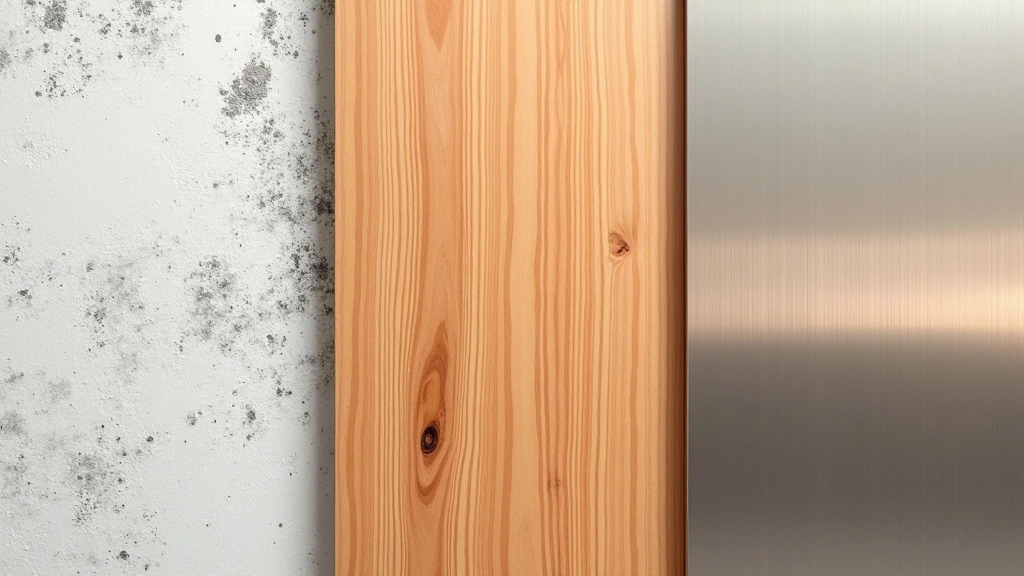
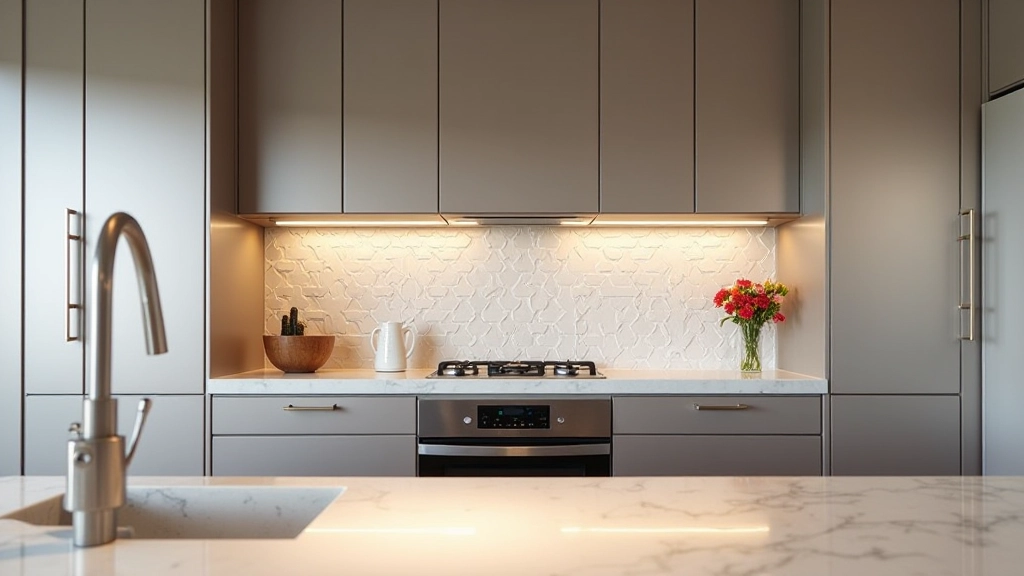
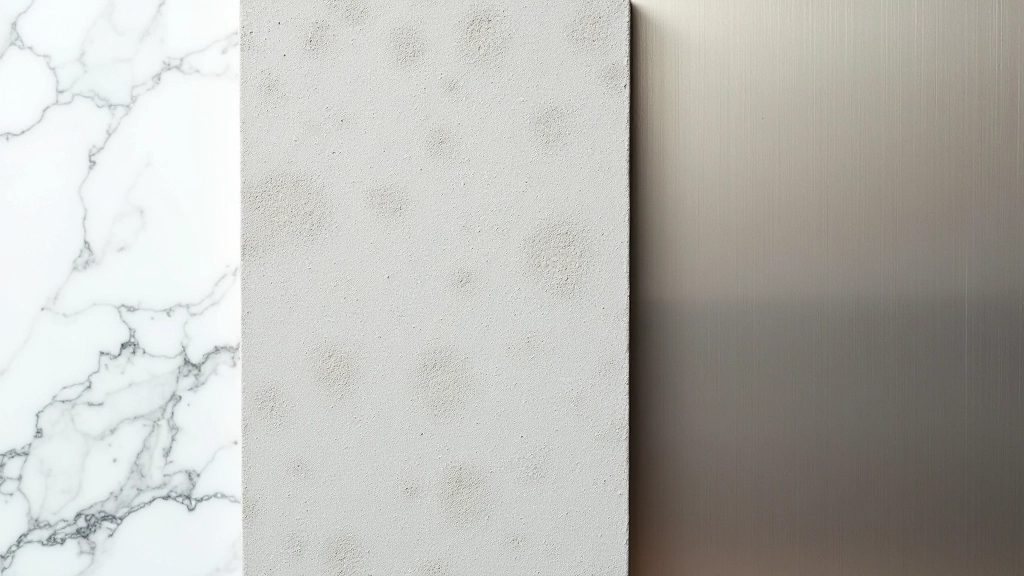
When you layer textures properly, you're not just adding visual interest. You're creating depth, dimension, and a sense of sophistication that flat, single-texture spaces simply can't achieve. The contrast between a rough concrete wall and smooth marble flooring? That's texture layering. The interplay between matte tiles and glossy metal fixtures? That's what we're talking about.
In Hong Kong's compact homes, texture layering becomes even more crucial. It's how you make a small bathroom feel luxurious, how you make a modest living room feel curated, how you trick the eye into perceiving more space than you actually have.
Three Core Principles of Texture Layering
1
Create Contrast
You need at least three different texture types in a room. Pair rough with smooth, matte with glossy, soft with hard. If everything's the same texture, your space feels flat and uninspired. A rough concrete wall paired with smooth porcelain tiles and a glossy lacquered cabinet creates immediate visual interest.
2
Balance Visual Weight
Rough textures feel heavier and draw more attention. Smooth, reflective surfaces feel lighter. If you're using a bold textured element — like exposed brick or rough stone — balance it with lighter, smoother surfaces elsewhere. This prevents your space from feeling too heavy or too austere.
3
Respect Scale and Proportion
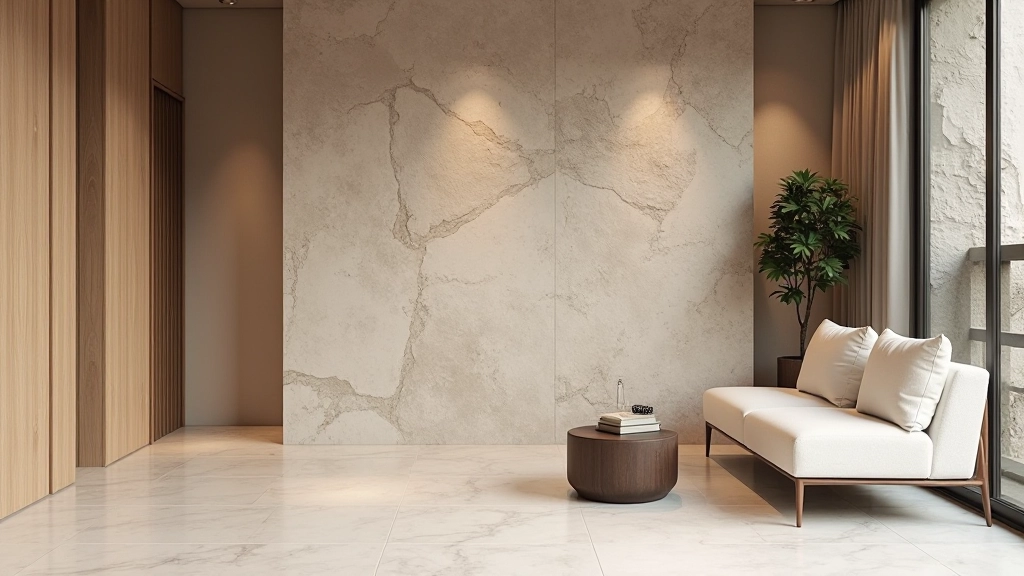
Large-scale textures work on expansive surfaces. Small spaces need finer, more refined textures. A bedroom with exposed concrete walls might feel oppressive, but the same concrete on a single accent wall creates drama. In Hong Kong's tight quarters, scale matters tremendously.
Educational Information: This article provides general guidance on texture selection and layering for interior design purposes. Design outcomes depend on individual space conditions, lighting, and personal preferences. We recommend consulting with a professional interior designer or contractor for specific project requirements and material specifications.
Understanding Texture Categories
You've probably heard designers throw around terms like "matte," "glossy," "brushed," "honed." What do these actually mean, and how do they affect your space?
Rough textures — think exposed brick, natural stone, concrete, textured wallpaper — absorb light and draw the eye. They're tactile and create a sense of authenticity. Use them strategically. A rough accent wall can anchor a room. Too much rough texture and your space feels unfinished.
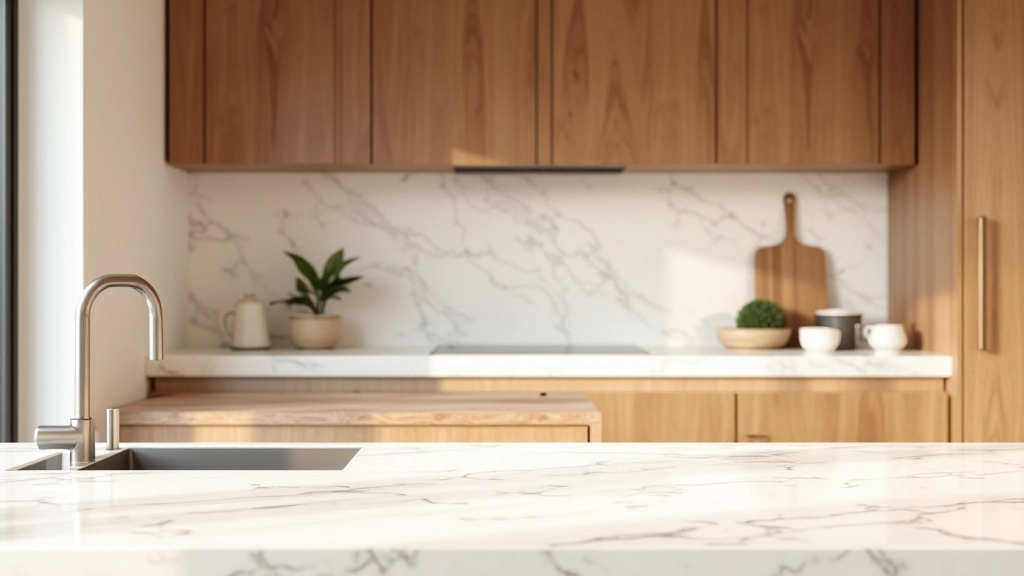
Smooth, polished surfaces — marble, glazed ceramic, glass, lacquered wood — reflect light and feel sophisticated. They're easy to clean and work brilliantly in small spaces because they bounce light around, making areas feel larger. The downside? They can feel cold if overused.
Matte finishes — honed stone, satin paint, unglazed tiles — sit between rough and glossy. They're forgiving (hide fingerprints and dust better than glossy surfaces) and create a contemporary, understated look. Matte works for almost any style, which is why it's so popular in modern Hong Kong apartments.
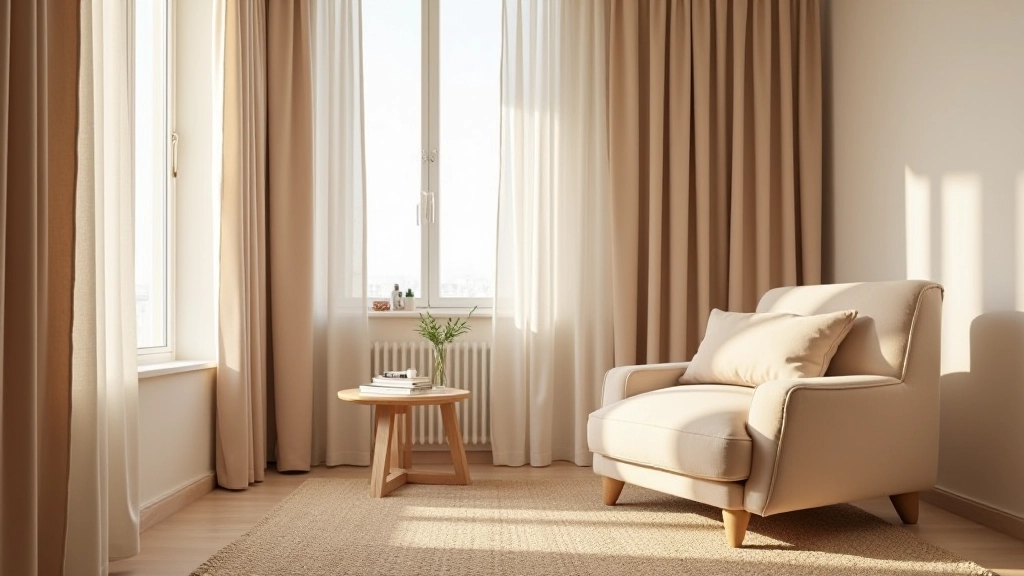
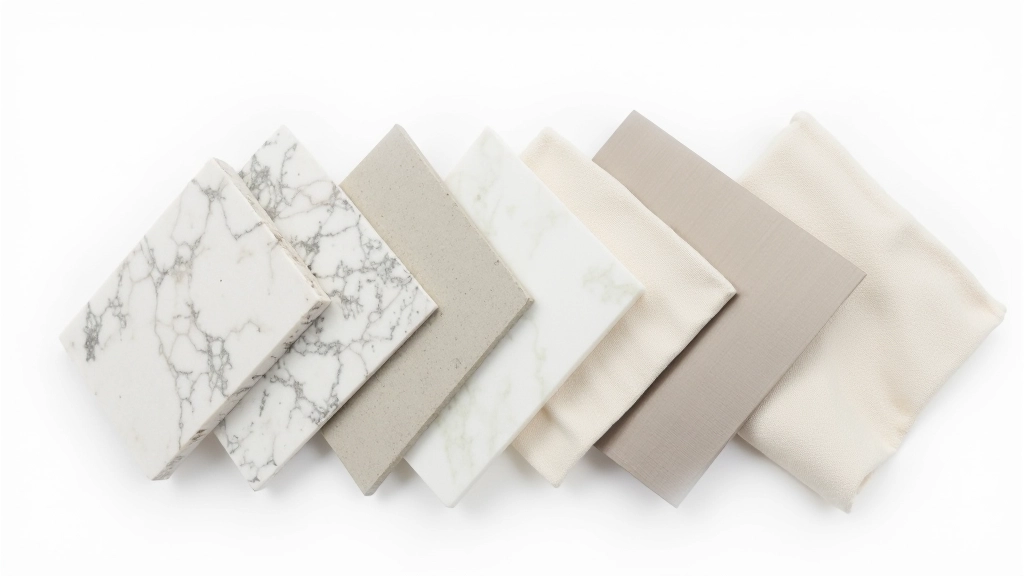
Fabric and soft textures — linen, cotton, wool, velvet — add warmth and comfort. They're essential for texture layering because they introduce a completely different sensory element. A concrete bathroom becomes inviting when you add soft towels, a wool mat, and fabric window treatments.
Real Applications in Hong Kong Homes
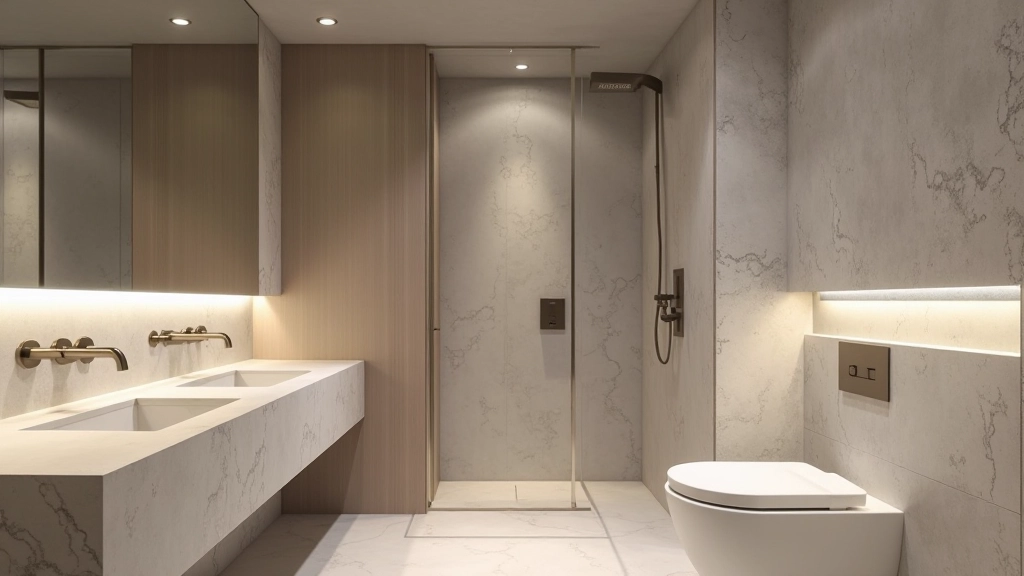
Let's talk about how this actually works in practice. Most Hong Kong bathrooms are small — we're talking 6 to 8 square meters. That's tight. But texture layering can transform a cramped space into something that feels considered and luxurious.
Start with a base. Choose your main wall finish. Maybe it's smooth porcelain tiles in a light grey. They're easy to maintain and reflect light. Now add contrast. One accent wall could be a honed natural stone — still smooth but with subtle variation. The visual difference is immediate.
Then introduce your softer textures. A thick cotton bath mat, linen shower curtain, wooden shelving. Suddenly your bathroom isn't just functional — it's a space you actually want to spend time in. The textures tell a story: modern (smooth tiles), natural (stone), organic (wood and fabric).
Living rooms benefit from even more layering. Here's what works: Start with your wall finish — maybe matte paint or textured wallpaper. Add hard surfaces: a stone or wood coffee table, metal shelving. Introduce soft elements: upholstered furniture, woven rugs, throw pillows. Then layer in small-scale textures through accessories: a leather magazine holder, a rough ceramic vase, smooth marble bookends. That's texture layering done right.
Material Pairing That Actually Works
Certain material combinations feel natural together. Others clash. Here's what we've learned from 14 years of working with Hong Kong homeowners.
Concrete + Warm Wood
Rough, industrial concrete feels less cold when paired with warm timber. The wood humanizes the concrete. This combination works brilliantly in modern Hong Kong lofts and industrial-style apartments.
Marble + Matte Black Metal
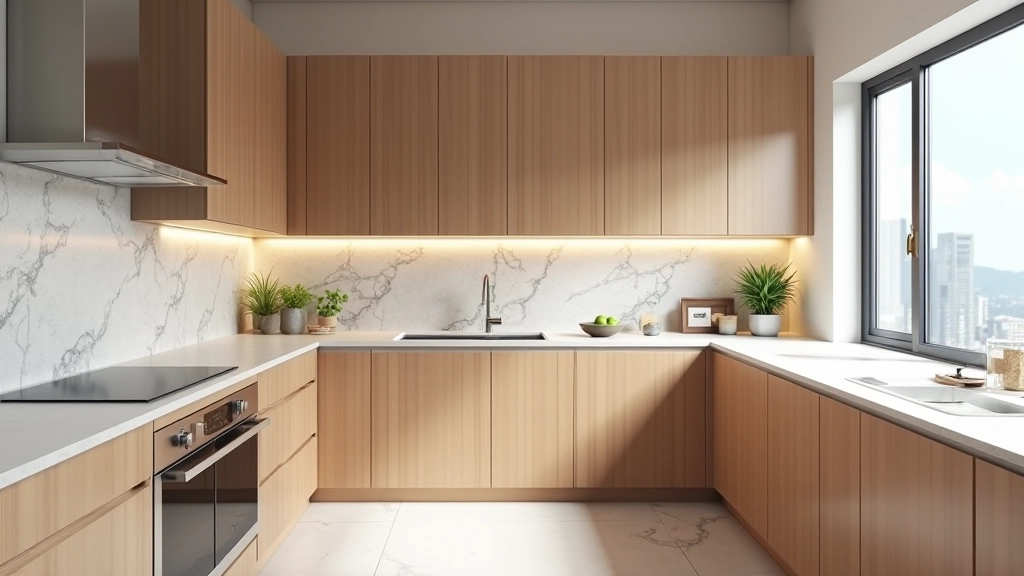
Polished marble is elegant but needs grounding. Matte black metal frames, railings, or fixtures provide that anchor without competing for attention. Classic combination for luxury bathrooms and kitchens.
Matte Tiles + Soft Textiles
Matte tiles feel contemporary and sophisticated. They're perfect with natural fabrics — linen curtains, cotton bath mats, wool rugs. The combination feels intentional and curated.