Soft Materials and Natural Fabrics
Guidelines for selecting and combining natural textiles, linens, and upholstered surfaces. We'll cover durability and maintenance too.
Why Natural Fabrics Matter in Your Space
When you're planning a renovation, you'll hear a lot about finishes and colors. But here's the thing — what something feels like matters just as much as what it looks like. Natural fabrics and soft materials create warmth in a room that synthetic alternatives just can't replicate.
We're talking about linen, wool, cotton, and leather. These aren't trendy choices. They've been used in homes for centuries because they work. They're durable, they age beautifully, and they feel good. The challenge isn't whether to use them — it's knowing which ones work together and how to maintain them properly.
What You'll Learn
- Which natural fabrics work best for upholstery and soft furnishings
- How to pair different textures without clashing
- Durability expectations and real maintenance requirements
- Color and finish combinations that age well
The Core Natural Fabrics to Know
Let's start with the fundamentals. There are four main natural fibers you'll encounter in home furnishings, and they each have their own personality.
Linen
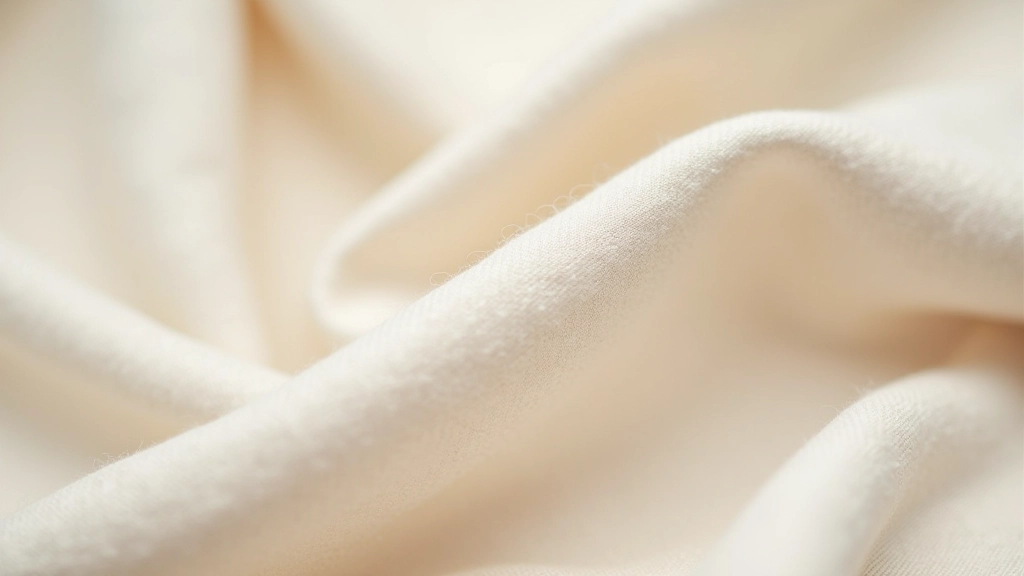
Linen comes from flax plants and it's incredibly strong. You can use it on furniture that gets real use — sofas, chairs, cushions. It wrinkles easily, which some people love and others avoid. The thing is, those wrinkles soften the look of a room. After six months of use, linen looks lived-in, which is actually desirable. It's breathable, so it works well in warmer climates. A linen sofa will last 8-10 years with normal use, sometimes longer.
Wool
Wool is dense and warm. It resists staining naturally because of its structure, which makes it a practical choice for busy households. You'll find it in area rugs, throw blankets, and occasionally upholstery. Wool develops a subtle patina over time — the surface becomes slightly softer and more lustrous. It's also a natural flame retardant, so it's safer than synthetics in that respect.
Cotton
Cotton is soft, versatile, and takes dye beautifully. You'll see it in upholstery, curtains, and cushion covers. The downside? It stains more easily than wool or linen because the fibers are more absorbent. On upholstered pieces, you're probably looking at a 5-7 year lifespan before the fabric shows wear. But cotton is affordable and it's easy to replace covers on cushions.
Pairing Fabrics Without Clashing
This is where most people get stuck. You want to use natural materials but you're worried they won't work together. They will — but there's a system to it.
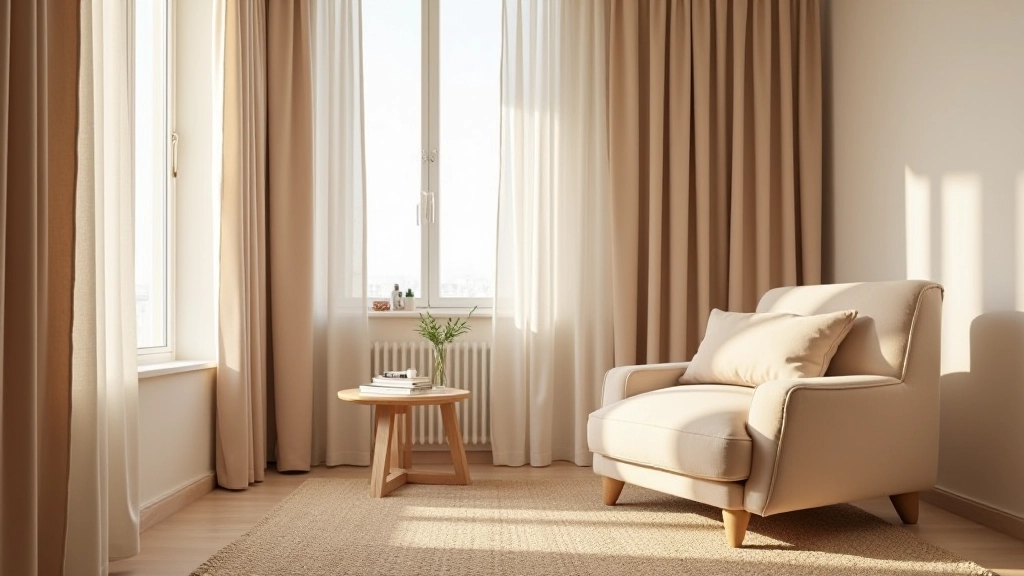
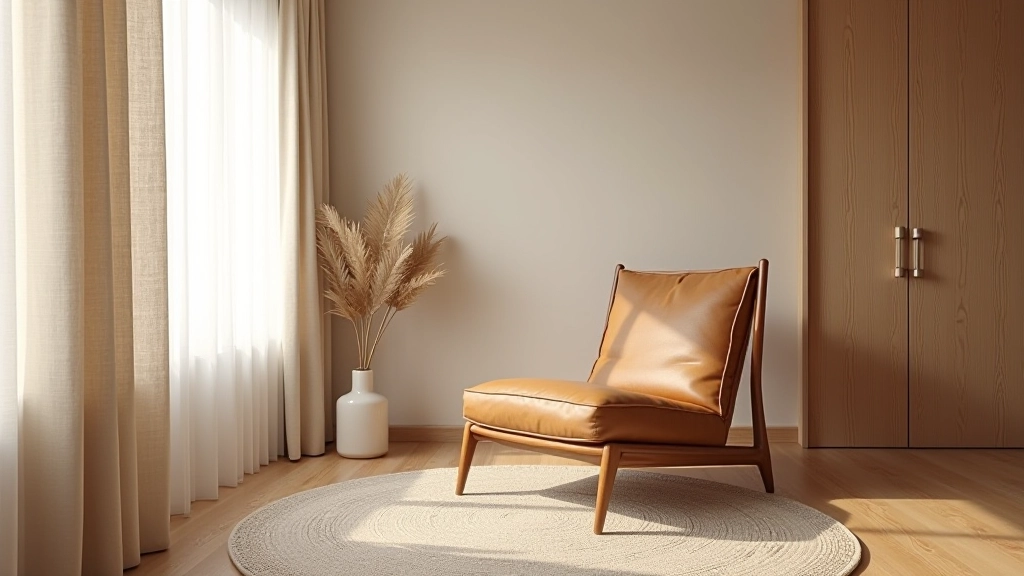
Start with a dominant fabric. Usually this is your sofa or largest upholstered piece. Let's say you choose a natural linen in a warm taupe. That's your anchor. From there, you can add secondary fabrics with different textures but similar color families. A wool throw blanket in a slightly darker taupe. A cotton cushion cover in cream. A jute rug that's just a touch lighter.
The key is keeping your color palette tight. When you use three to four colors across your fabrics, they feel coordinated. When you jump around, they feel scattered. It's not that different from choosing paint colors, really — you're thinking about undertones and whether things feel warm or cool together.
Natural materials don't need to match perfectly. They need to feel like they belong together.
About This Guide
This article provides educational information about natural fabrics and material selection. Durability estimates and maintenance suggestions are based on general industry standards and typical use patterns. Your actual experience may vary depending on specific product quality, household usage, climate, and care practices. Always check manufacturer guidelines for your specific fabrics and furnishings. Consult with a professional interior designer or material specialist for personalized recommendations for your space.
Maintenance That Doesn't Feel Like a Chore
Here's the honest part: natural fabrics require more attention than synthetics. But it's not complicated. Most of the time you're just vacuuming or brushing. Spills need attention quickly, but that's true of any upholstered piece.
Regular Care
Vacuum upholstered pieces weekly if they get regular use. Use the brush attachment and go with the grain of the fabric. For area rugs, vacuum twice a week in high-traffic areas. It's not excessive — you're just preventing dust from settling into the fibers.
Rotate cushions every month. This isn't because they're fragile. It's because fabrics compress slightly with weight, and rotating them keeps them wearing evenly. After a year, your cushions will look newer because you've distributed the wear.
Spot Cleaning
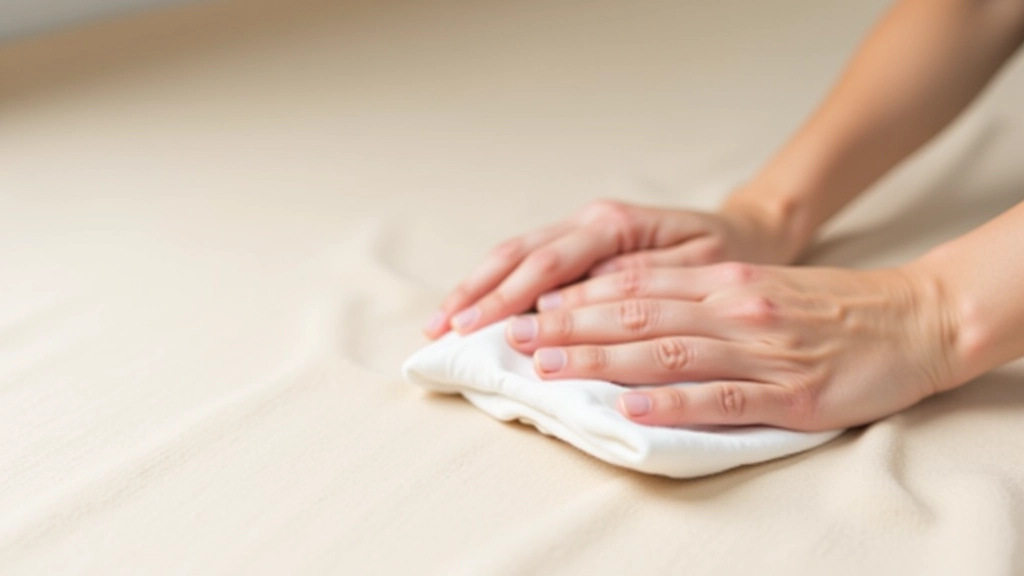
When spills happen — and they will — don't panic. Blot immediately with a clean cloth. Don't rub. Then use cool water or a mixture of cool water and a tiny bit of mild dish soap. Test it on a hidden area first. Most spills on linen or cotton come out with this approach. For wool, you might want professional cleaning if it's a tough stain.
Making Your Choice
Choosing natural fabrics for your renovation isn't about following trends. It's about creating a space that feels good and lasts. Linen, wool, and cotton each bring something different to a room. The wrinkles in linen feel relaxed. The density of wool feels substantial. The softness of cotton feels welcoming.
You don't need to use only one type. Mixing them works beautifully when you keep your colors cohesive and your textures complementary. And yes, they require maintenance. But that maintenance is straightforward — regular vacuuming, quick action on spills, and occasional professional cleaning. It's not overwhelming.
The real payoff comes later. After a year or two, your natural fabrics will have developed character. They'll look more beautiful, not worse. That's something you don't get with synthetics. That's why natural materials matter.